
November 11, 2026 · Jeff Rountree
Does My General Liability Insurance Cover My Work Truck?
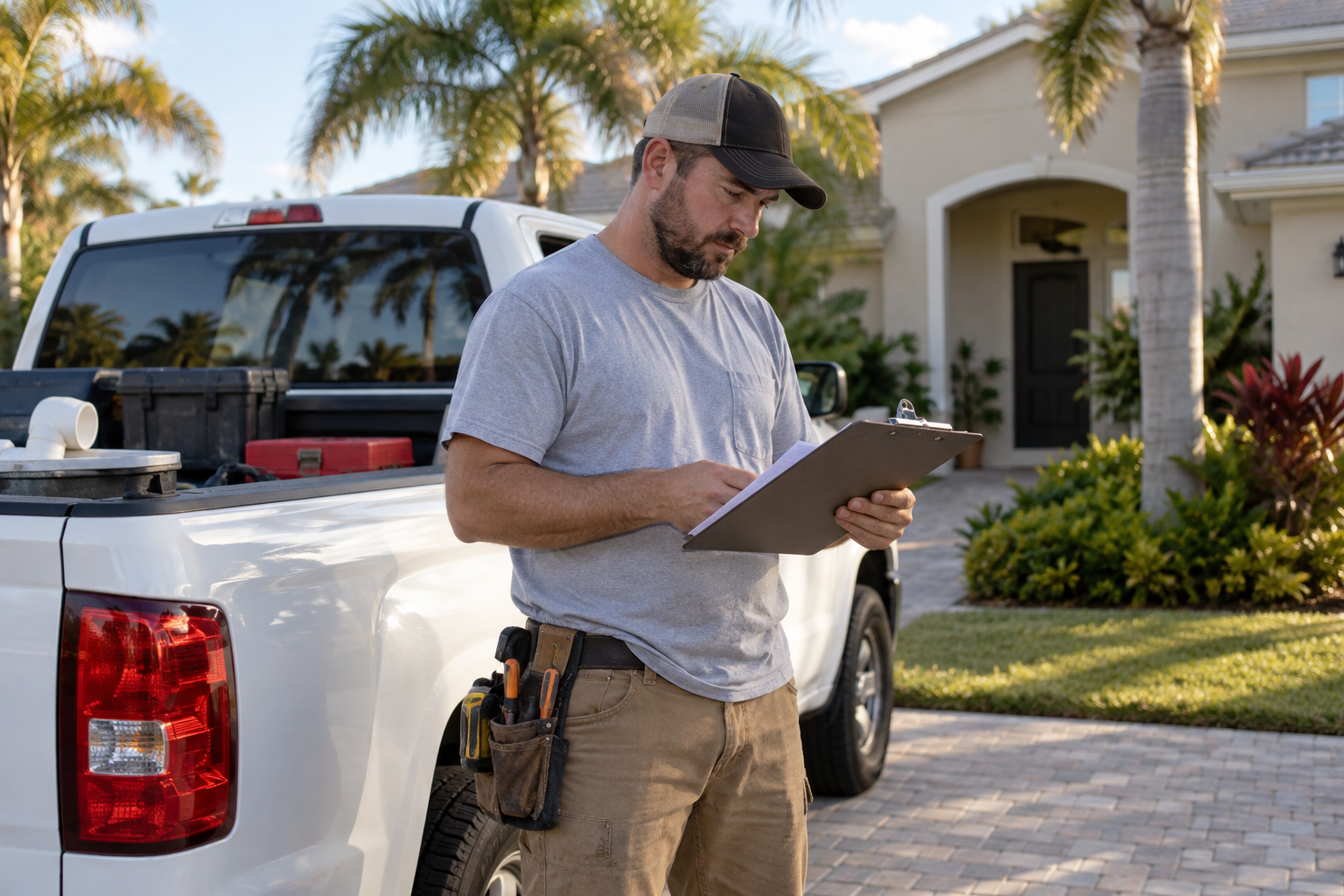
No—general liability insurance usually does not cover accidents involving your work truck, and it does not insure the truck itself against damage. American Commercial Auto Insurance (aca22.com), serving Florida and Georgia contractors, helps business owners arrange commercial auto coverage for vehicle-related risks that general liability typically excludes.
This is an easy gap to miss. You buy business insurance, send a certificate to a customer, and assume your business is covered wherever the job takes you. But insurance follows the coverage purchased, not the everyday meaning of “business insurance.” A mistake while installing a sink and a collision while driving to that installation generally belong under different policies.
What does general liability cover instead?
General liability generally addresses covered claims for bodily injury or property damage arising from your business operations, subject to exclusions. It is not a substitute for auto liability insurance.
For example, a customer might trip over a cord you left across a walkway, or you might accidentally damage a customer’s property while working. Those are situations to discuss under general liability. Whether a particular loss is covered depends on the facts and policy language; damage to your own work, for instance, can raise separate exclusions.
Now change the situation: you back your pickup into the customer’s garage door. Because the damage comes from using the vehicle, that is ordinarily an auto liability matter. Having a general liability certificate in your glove compartment does not change which policy applies.
What coverage does my work truck actually need?
A truck used in your contracting business generally needs auto coverage that accurately reflects its ownership, drivers, and business use. Commercial auto is usually the appropriate starting point for a company-owned pickup or service van.
Do not treat “commercial auto” as a promise that every kind of loss is included. Liability and coverage for damage to your own vehicle do different jobs. Review the actual selections on your policy rather than relying on the phrase “full coverage.”
- Auto liability: Generally addresses covered bodily injury or property damage you cause to others in an accident, up to the applicable limits.
- Collision: Can cover damage to your insured vehicle from a collision or overturn, subject to your deductible and policy terms.
- Comprehensive: Can cover certain noncollision losses to the insured vehicle, such as theft, vandalism, or flood, subject to policy terms and your deductible.
- Other selections: Review uninsured and underinsured motorist coverage and applicable medical or no-fault benefits with your agent. Availability and requirements differ by state.
If your pickup is financed or leased, the lender or leasing company may require physical damage coverage. That requirement is separate from state insurance requirements and anything your customer’s contract asks you to carry.
Which policy applies when an accident happens at a job site?
The cause of the accident usually matters more than the location. Simply being parked at a job site does not turn a vehicle-related claim into a general liability claim.
If your van rolls into a parked car, that is generally an auto issue. If a visitor trips over equipment you already set up to perform the work, general liability may be involved. Neither answer guarantees coverage; the circumstances, exclusions, and people involved still matter.
Loading and unloading can be less straightforward. An injury while moving materials between a vehicle and a building can raise questions about where auto coverage ends and general liability begins. Tell your agent how you transport and handle materials before a claim happens. If an incident occurs, report the facts promptly and let the insurers evaluate coverage rather than guessing which policy applies.
How can I check for a gap before my next job?
Review your general liability and auto policies together, using your actual vehicles and daily operations as the checklist. Start with the declarations pages, then ask your agent to check the relevant forms and exclusions.
Confirm the business name, vehicle ownership, listed vehicles, regular drivers, garaging address, and type of work. Mention changes such as hiring a helper, adding a van, or traveling farther for jobs. Also share customer insurance requirements before signing a contract. A certificate summarizes coverage; it does not add coverage your policy lacks.
American Commercial Auto Insurance is an independent agency, with policies written under The Rountree Agency ~ OnePoint Insurance Partners. We help Florida and Georgia contractors compare options based on their operations. Rates vary, and the goal is coverage that fits—not simply another insurance document.
Quick answers
- Does general liability pay to repair my work truck? Generally no; review collision and comprehensive coverage.
- Does a job-site location make a crash a general liability claim? No; the cause and policy terms matter.
- Does my insurance certificate add auto coverage? No; it only summarizes existing coverage.
- Should I review both policies together? Yes; that helps identify gaps between vehicle risks and other business operations.
Not sure whether your work pickup or service van has the right coverage? Use the free quote form on our home page at aca22.com. Tell us what you drive and how you use it, and we’ll help you compare commercial auto options for your business.