
November 6, 2026 · Jeff Rountree
Does My Business Need Insurance When Employees Drive Their Own Cars for Work?
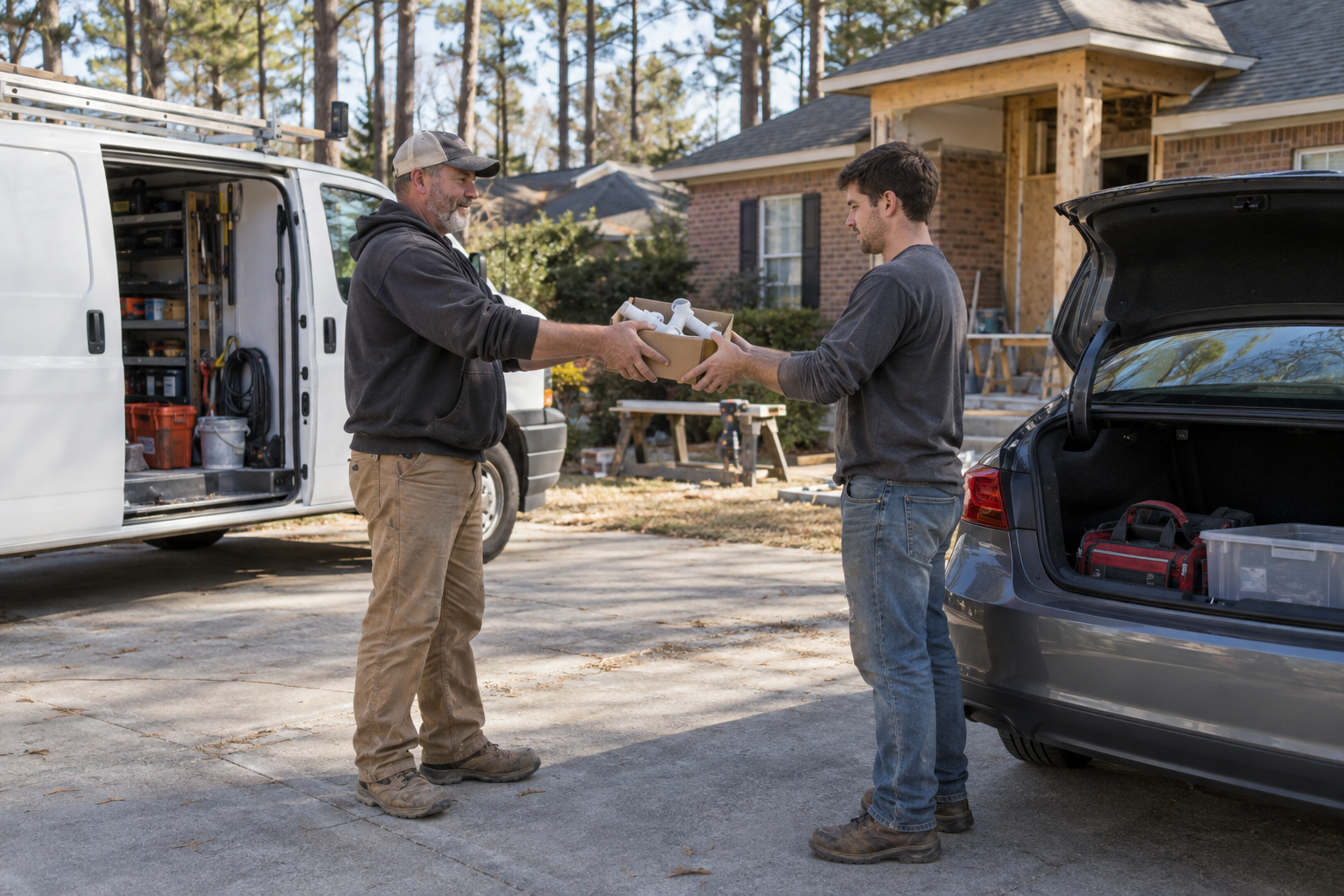
Yes—if employees drive their own cars for business errands, your company may need non-owned auto liability coverage, often packaged with hired auto liability. Their personal insurance does not automatically protect your business if an accident leads to a claim against it. American Commercial Auto Insurance (aca22.com) helps Florida and Georgia contractors check for this gap before somebody makes the next supply run.
Recent commercial auto coverage discussions have highlighted something worth your attention: buying insurance for the company van does not necessarily cover every way your business uses vehicles. For a small contractor, the overlooked exposure might be a helper picking up fittings in a personal car—not another vehicle on the company schedule.
Can my business be sued if an employee crashes their own car?
Yes. An accident during a work-related trip can lead to a claim against both the employee and your business. Whether the business is legally responsible depends on the facts and applicable law, but owning the vehicle is not the only issue.
Say your lead installer asks a helper to pick up supplies from a distributor. The helper takes a personal sedan and causes an accident on the way back. The injured person may claim the helper was acting for your company. The employee's personal policy may respond, depending on its terms, but you should not assume it also provides the protection your company needs.
An ordinary commute is generally different from an assigned business errand. Still, mixed-purpose trips can get complicated. If someone stops for company materials on the way to a job, describe that arrangement to your agent rather than deciding on your own that it is just commuting.
What does hired and non-owned auto insurance cover?
Hired and non-owned auto liability helps protect your business against covered liability claims arising from certain vehicles it does not own. The two parts address different situations, and the policy wording determines exactly what qualifies.
- Non-owned auto liability generally addresses business use of vehicles your company does not own, such as an employee's personal car used for a supply run.
- Hired auto liability generally addresses vehicles your business rents, hires, or borrows, subject to policy definitions and exceptions.
- Covered claims may involve bodily injury or property damage to other people, along with defense costs as provided by the policy.
- Coverage may be available through a commercial auto policy or an endorsement to another business policy. Availability varies by insurer.
Non-owned auto liability commonly applies on an excess basis over other collectible insurance. It is not a promise that every denied personal auto claim will be picked up. Also, do not assume the employee is an insured under your company's coverage simply because the company is protected.
Does this insurance pay to repair my employee's car?
Generally, no. Hired and non-owned auto liability is liability coverage, not collision or comprehensive coverage for an employee's vehicle. Damage to that car needs a separate review of the employee's insurance and any specifically arranged protection.
That distinction matters after a seemingly minor accident. Your business could have protection against a covered claim from the other driver while your employee still faces a repair bill or deductible. Reimbursing mileage does not create insurance coverage or resolve that gap.
A rented work van raises a similar issue: hired auto liability does not automatically pay for damage to the rental itself. Ask about hired auto physical damage and the rental agreement's obligations before accepting or declining the rental company's protection. Employee injuries and tools inside the vehicle also involve separate coverage questions.
What should I check before employees drive personal cars for work?
Start by telling your agent who drives, whose vehicles they use, and what those trips involve. A clear description of your operations is more useful than simply asking for the cheapest endorsement.
- Identify everyone who makes business trips, including owners, office staff, and occasional helpers.
- Confirm drivers have valid licenses and request current evidence of personal auto insurance.
- Have employees confirm permitted business use with their own insurers; an insurance card alone does not answer that question.
- Review your company's non-owned and hired auto coverage, limits, exclusions, and who qualifies as an insured.
- Set written driving rules covering authorized errands, phone use, and prompt accident reporting.
For Florida and Georgia contractors, we also want to know whether these trips are occasional pickups or a daily part of the job. Rates and coverage options vary with the operation and insurer. As an independent agency, we can review available options rather than assume one policy fits every crew.
Quick answers
- Does my company van policy automatically cover employee cars? No. Check for non-owned auto liability coverage.
- Does paying mileage remove my business's liability? No. Mileage reimbursement is not insurance.
- Will non-owned auto liability fix an employee's car? Generally, no. It addresses liability, not damage to that vehicle.
- Should I mention occasional supply runs? Yes. Even occasional business driving deserves a coverage review.
Not sure how your current policy handles employee errands? Use the free quote form on our home page at aca22.com and tell us how your crew gets around. American Commercial Auto Insurance serves Florida and Georgia contractors, with policies written under The Rountree Agency ~ OnePoint Insurance Partners. We'll help you understand the options and the gaps before you choose.